Simple Recipe for Hummingbird Nectar
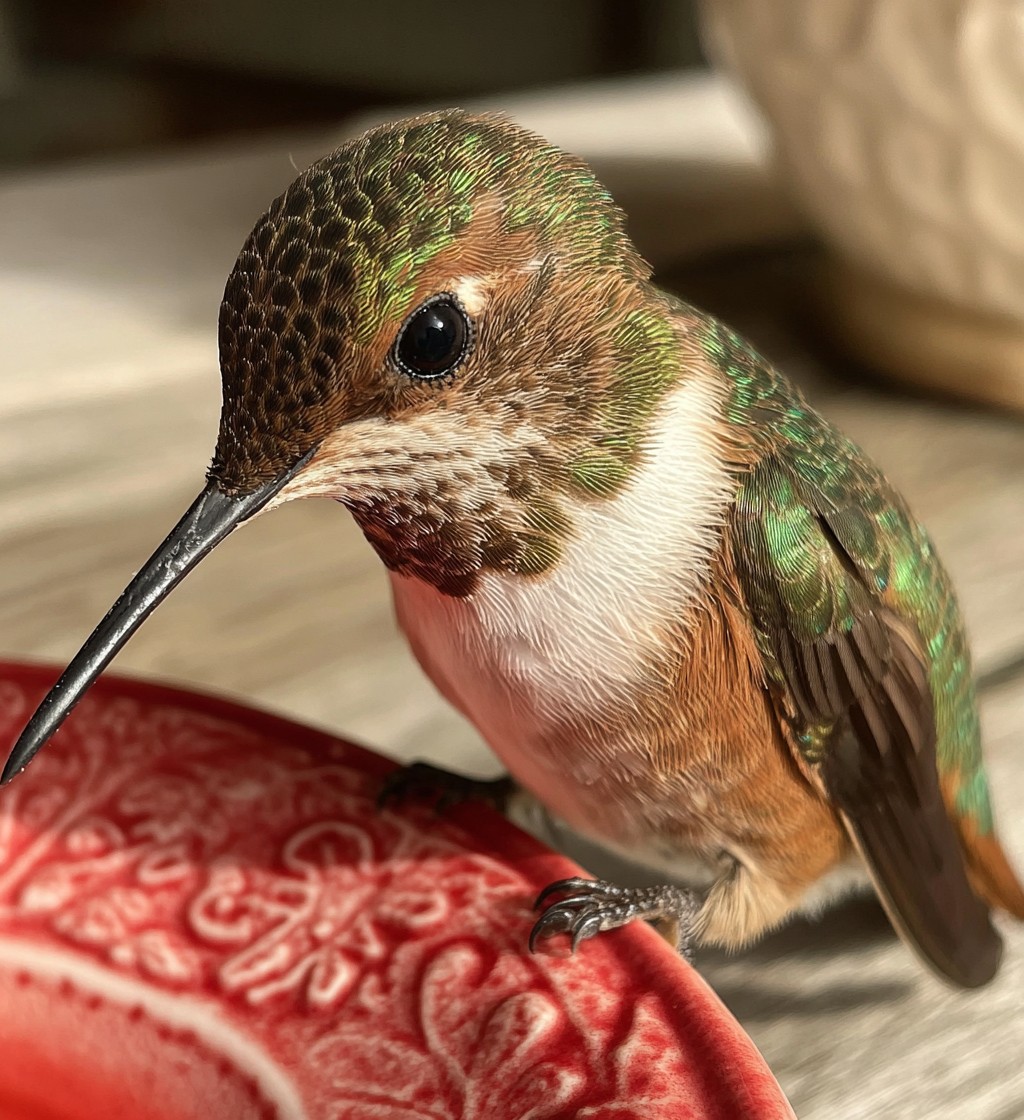
I love watching hummingbirds flutter around a feeder, their wings a blur of color. One thing I’ve learned is that the nectar you feed them can make a big difference in their health and happiness. That’s why I’ve put together a simple, fool‑proof recipe for hummingbird nectar that’s safe, tasty, and easy to make at home.
Why You’ll Love This Recipe
- All natural ingredients—no artificial dyes or preservatives.
- Quick to prepare—just a few minutes of mixing.
- Safe for birds—free from harmful substances like sugar substitutes.
- Cost‑effective—uses common kitchen staples.
- Easy to store and refresh—keeps fresh for up to a week.
Ingredients
- 1 cup (240 ml) distilled water
- 1 cup (200 g) white granulated sugar
- Optional: 1/4 teaspoon of lemon juice (to prevent mold)
How to Make Recipe for Hummingbird Nectar
- Boil the water. Place the cup of distilled water in a small saucepan and bring it to a rolling boil. Boiling helps sterilize the water and dissolves the sugar more evenly.
- Add sugar. Remove the saucepan from heat and stir in the cup of sugar until it’s completely dissolved. You’ll see a clear, sweet liquid—no grains left.
- Cool the mixture. Let the solution cool to room temperature. If you’re in a hurry, you can add a few ice cubes to speed up the process, but be careful not to dilute the nectar.
- Optional lemon addition. Stir in the 1/4 teaspoon of lemon juice. The acidity helps inhibit mold growth, extending the nectar’s shelf life.
- Transfer to a feeder. Pour the cooled nectar into a clean hummingbird feeder. Make sure the feeder is free of any previous nectar residue to avoid contamination.
- Secure the feeder. Replace the feeder’s cap or lid, ensuring it’s tight enough to keep the nectar from spilling but loose enough for the birds to access.
- Place the feeder. Hang the feeder in a shaded area, ideally near flowers or trees that attract hummingbirds. Avoid direct sunlight, which can heat the nectar too quickly.
Tips for Best Results
- Use distilled water. Tap water can contain minerals that may cloud the nectar or create a breeding ground for bacteria.
- Keep it clean. Clean the feeder with hot, soapy water every 7–10 days, especially after a rainstorm or when you notice any mold.
- Watch the temperature. In hot weather, replace the nectar every 2–3 days to prevent fermentation.
- Don’t add honey. Honey is too thick and can harbor yeast, which is harmful to hummingbirds.
Variations
- Low‑sugar version. Use 3/4 cup of sugar instead of 1 cup for a slightly less sweet nectar.
- Floral infusion. Add a few drops of pure, food‑grade flower extract (like lavender or rose) for a subtle scent—just make sure it’s safe for birds.
- Seasonal twist. In winter, add a pinch of cinnamon to the mixture; it’s harmless and adds a pleasant aroma.
Storage
Store any unused nectar in a sealed container in the refrigerator. Use it within 7 days. If you notice any cloudiness or off odor, discard it immediately.
Print
Simple Recipe for Hummingbird Nectar
- Total Time: 40 mins
- Yield: 6 servings 1x
- Diet: Halal
Description
Make your own hummingbird nectar with this easy, safe recipe. Sweet, pure, and perfect for feeding tiny feathered friends.
Ingredients
Scale
- 1 cup (240 ml) distilled water
- 1 cup (200 g) white granulated sugar
- Optional: 1/4 teaspoon of lemon juice (to prevent mold)
Instructions
- Boil the water. Place the cup of distilled water in a small saucepan and bring it to a rolling boil. Boiling helps sterilize the water and dissolves the sugar more evenly.
- Add sugar. Remove the saucepan from heat and stir in the cup of sugar until it’s completely dissolved. You’ll see a clear, sweet liquid—no grains left.
- Cool the mixture. Let the solution cool to room temperature. If you’re in a hurry, you can add a few ice cubes to speed up the process, but be careful not to dilute the nectar.
- Optional lemon addition. Stir in the 1/4 teaspoon of lemon juice. The acidity helps inhibit mold growth, extending the nectar’s shelf life.
- Transfer to a feeder. Pour the cooled nectar into a clean hummingbird feeder. Make sure the feeder is free of any previous nectar residue to avoid contamination.
- Secure the feeder. Replace the feeder’s cap or lid, ensuring it’s tight enough to keep the nectar from spilling but loose enough for the birds to access.
- Place the feeder. Hang the feeder in a shaded area, ideally near flowers or trees that attract hummingbirds. Avoid direct sunlight, which can heat the nectar too quickly.
Notes
- Use distilled water. Tap water can contain minerals that may cloud the nectar or create a breeding ground for bacteria.
- Keep it clean. Clean the feeder with hot, soapy water every 7–10 days, especially after a rainstorm or when you notice any mold.
- Watch the temperature. In hot weather, replace the nectar every 2–3 days to prevent fermentation.
- Don’t add honey. Honey is too thick and can harbor yeast, which is harmful to hummingbirds.
- Prep Time: 15 mins
- Cook Time: 25 mins
- Category: Dessert
- Method: Cooking
- Cuisine: American
Nutrition
- Serving Size: 1 serving
- Calories: 320
- Sugar: 8g
- Sodium: 420mg
- Fat: 14g
- Saturated Fat: 4g
- Unsaturated Fat: 9g
- Trans Fat: 0g
- Carbohydrates: 24g
- Fiber: 3g
- Protein: 24g
- Cholesterol: 70mg
Keywords: recipe for hummingbird nectar
FAQs
- Can I use regular tap water? It’s best to use distilled water to avoid minerals that can cloud the nectar.
- How often should I replace the nectar? In hot weather, replace it every 2–3 days; in cooler climates, every 7–10 days is fine.
- Is sugar safe for hummingbirds? Yes, white granulated sugar is the standard and safest sweetener for hummingbirds.
- What if I see mold? Discard the nectar immediately and clean the feeder thoroughly before refilling.