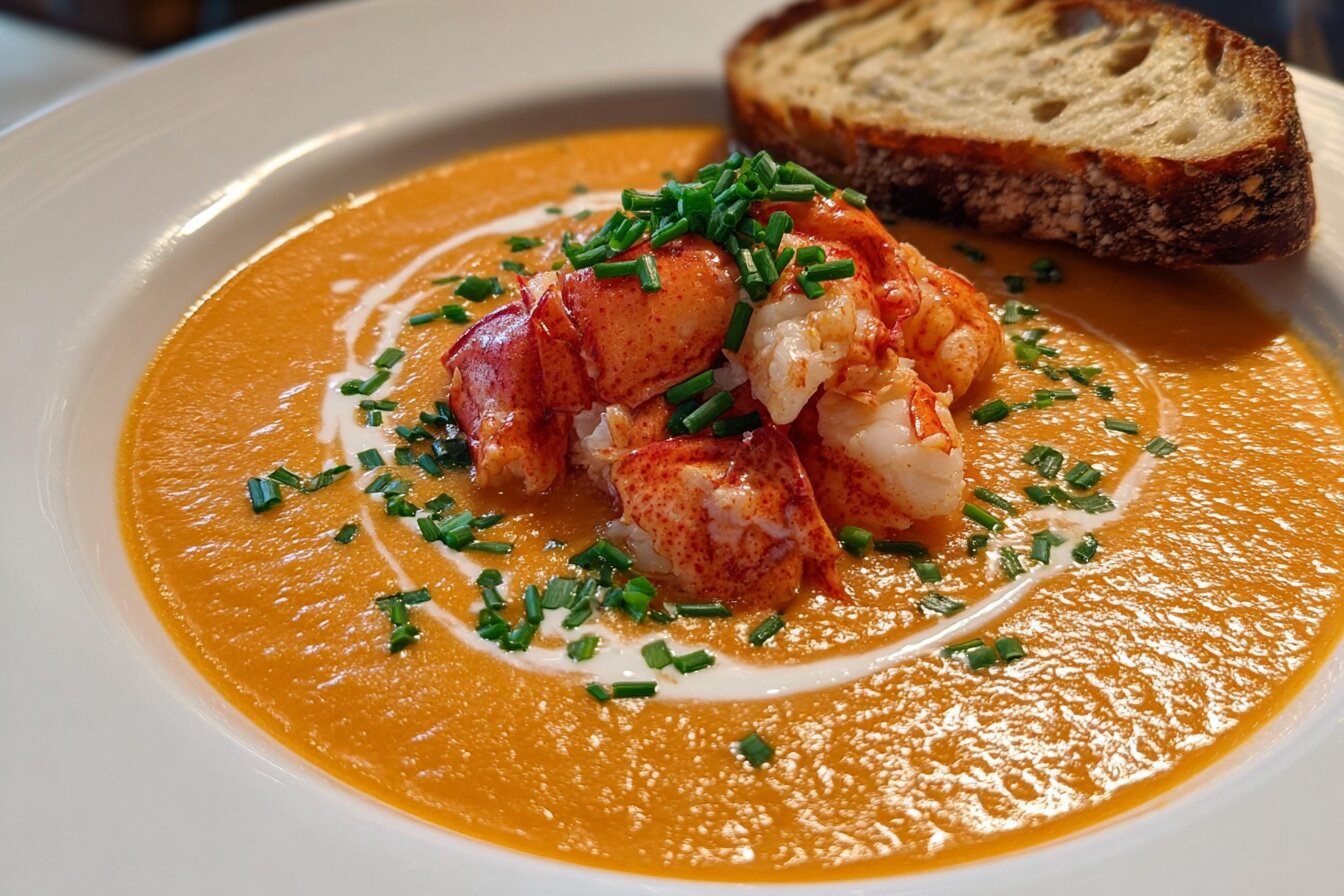
Lobster Bisque: How to Make Liquid Gold at Home
There are certain dishes that scream “Special Occasion.” You know the ones. They are the menu items you only order on anniversaries, birthdays, or when someone else is paying the bill. They feel untouchable, shrouded in culinary mystery and a high price tag.
At the very top of that list sits Lobster Bisque.
It is the velvet robe of the soup world. Rich, creamy, deeply savory, and usually served in a cup so small you want to cry when it’s gone.
But here is a secret that restaurants don’t want you to know: Lobster Bisque is actually a recipe born from frugality. It isn’t about the expensive meat; it is about the shells. It’s a dish designed to squeeze every last drop of flavor out of the parts we usually throw away.
Welcome back to Recipes Nora! Today, we are demystifying the most luxurious soup in the world.
If you have ever bought lobster tails for a fancy dinner and thrown the shells in the trash, you have thrown away the best part. Today, I am going to teach you how to turn those “scraps” into a broth so flavorful, so complex, and so aromatic that it will perfume your entire house for days.
We are going to roast those shells, simmer them with aromatics, and thicken the resulting stock into a silky, sunset-colored soup that rivals anything you’d get at a 5-star steakhouse.
In this deep-dive guide, I will teach you the difference between bisque and chowder, why tomato paste is the unsung hero of this dish, and how to achieve that perfect velvety texture without a commercial blender.
Let’s make some liquid gold.
What is Lobster Bisque?
To the untrained eye, Bisque and Chowder might look similar—they are both creamy seafood soups. But in the culinary world, they are distant cousins at best.
Chowder is chunky. It’s a rustic stew usually thickened with potatoes and crackers, filled with distinct pieces of fish, clams, or corn.
Bisque is smooth. It is elegant and refined. Traditionally, a bisque is a French soup made from crustaceans (lobster, crab, shrimp) where the shells are ground up or simmered to create the base. The defining characteristic of a bisque is its texture: it should be silky, coating the back of a spoon, with no lumps (except for the garnish of meat on top).
Historically, bisques were thickened with rice. Modern recipes, including mine, often rely on a Roux (flour and butter) or simply a heavy reduction of cream to achieve that luxurious consistency.
Why This Recipe Works
As a chef, I am obsessed with “utilization.” This recipe works because it respects the ingredient.
- The Maillard Reaction (Again!): You will notice a pattern in my cooking. We don’t just boil the shells; we sauté or roast them first. Cooking the empty lobster shells in butter until they turn bright red releases flavorful oils that boiling water alone cannot access.
- Double Concentration: We build flavor twice. First, we make a quick lobster stock. Then, we reduce that stock down. By evaporating the water, we are left with a concentrate that tastes purely of the ocean.
- The Tomato Bridge: Seafood and cream can sometimes taste a bit heavy or fatty. We use tomato paste not just for that beautiful orange-pink color, but for acidity. The tomato cuts through the heavy cream and lifts the flavor of the lobster.
- Versatility: Once you master this base technique, you can use it for Shrimp Bisque, Crab Bisque, or even a Crawfish Bisque. The method remains exactly the same.
Ingredient Deep Dive: The Shell Game
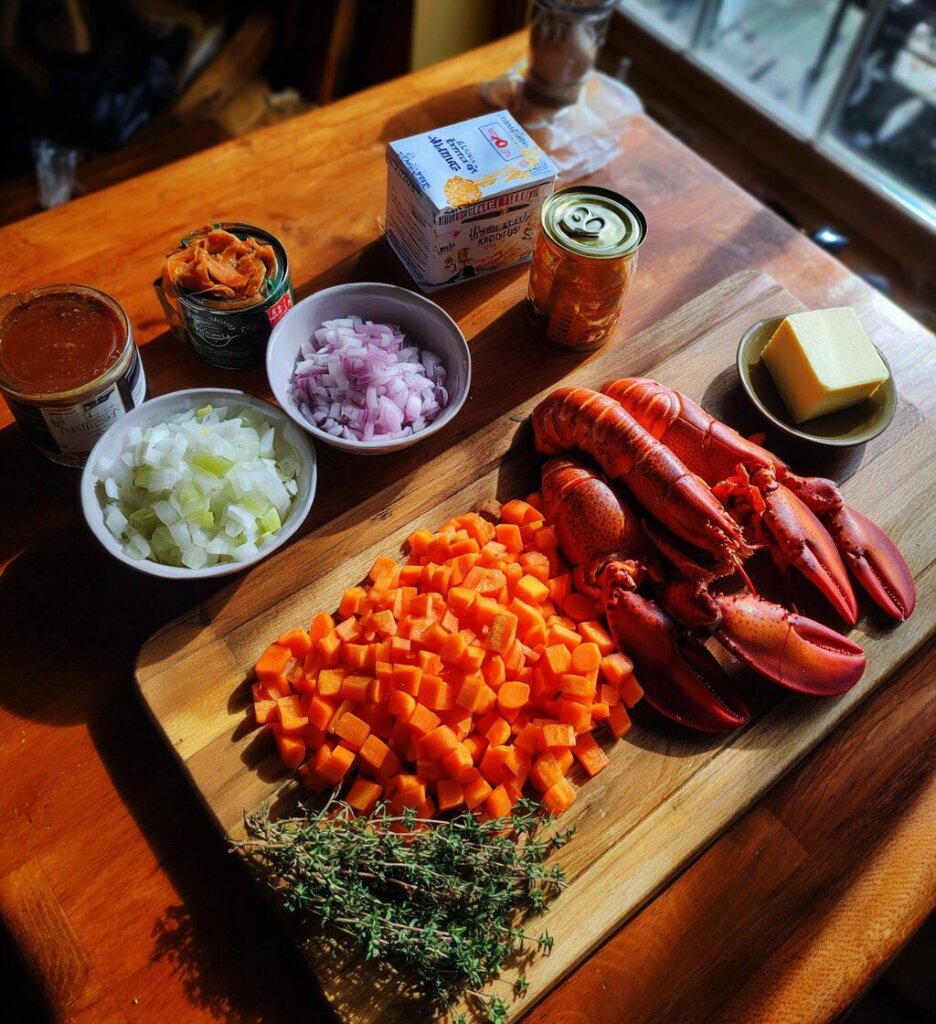
This recipe requires a few steps, but the ingredient list is surprisingly humble.
The Lobster
- Lobster Tails: This is the most accessible way to make this at home. You get the meat for the garnish and the shells for the stock.
- Whole Lobster: If you are feeling brave, buy a whole live lobster. You get more shell (the body and claws) which means more flavor, but it requires more work to break down.
- Frozen is Fine: Cold-water lobster tails from the freezer section work perfectly. Just thaw them completely before starting.
The Aromatics (Mirepoix)
- Onion, Carrot, Celery: The holy trinity of soup bases. They provide the sweet, savory backdrop.
- Garlic: Lots of it.
- Fresh Thyme & Tarragon: Thyme provides earthiness, but Tarragon is the secret weapon. It has a slight licorice/anise flavor that pairs famously well with lobster. If you can find fresh tarragon, use it!
The “Sherry” Element
- Traditional Method: Classic bisque uses Dry Sherry or Brandy to deglaze the pan. The alcohol adds a specific nutty sweetness.
- The Chef Noah Alcohol-Free Hack: Since we keep things inclusive here, I have perfected a non-alcoholic substitute. We use a combination of extra seafood stock and a splash of Sherry Vinegar or Apple Cider Vinegar. You get the acidity and the fruitiness without the booze.
The Creaminess
- Heavy Cream: There is no substitute here. Milk will curdle. Half-and-half will break. You need the fat content of heavy cream to create the emulsion.
- Butter: Used for sautéing the shells and making the roux.
The Thickener
- Tomato Paste: Essential for color and depth.
- Flour: A small amount of All-Purpose flour helps stabilize the emulsion so the butter and cream don’t separate.
Step-by-Step Instructions
This is a “Sunday Project” kind of recipe. It takes a little time, but the process is deeply satisfying.
Step 1: Prep the Lobster
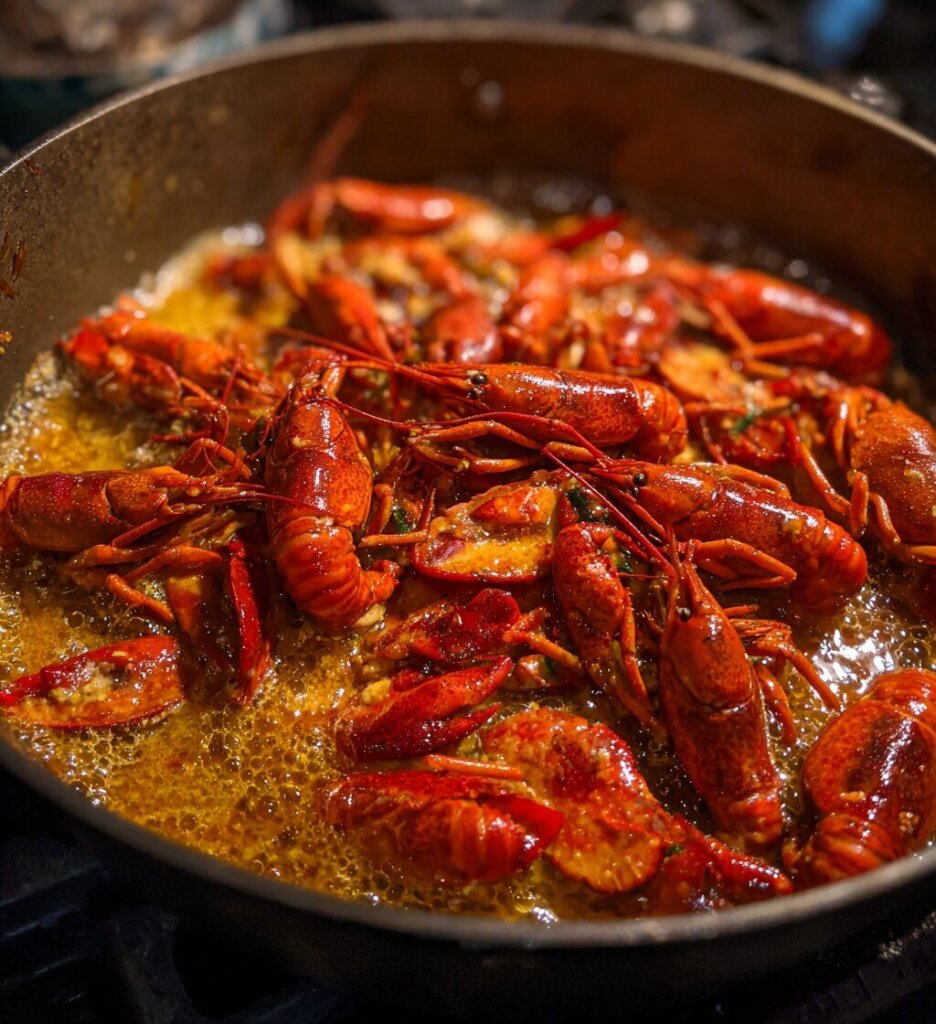
Using kitchen shears, cut down the back of the lobster tails. Pull the meat out. Chop the meat into large chunks and refrigerate it (we cook it later). Save the shells! Chop the shells into smaller pieces (1-2 inches). The smaller the pieces, the more flavor they release.
Step 2: The Shell Sauté (Building the Base)
In a large Dutch oven or soup pot, melt 2 tablespoons of butter over medium-high heat. Add the chopped lobster shells. Cook them vigorously for 5 to 8 minutes. You want them to turn bright, angry red and smell toasty. You might see some brown bits forming on the bottom of the pot. This is flavor!
Step 3: The Stock
Add the chopped onion, carrots, celery, and garlic to the pot with the shells. Cook for another 5 minutes until veggies soften. Stir in the tomato paste and cook for 1 minute (to cook out the metallic taste). Pour in 4 cups of water (or chicken broth/fish stock for extra flavor). Add the fresh thyme sprigs and bay leaf. Bring to a boil, then reduce heat to low. Cover and simmer for 30 to 45 minutes.
- Chef Noah’s Tip: Don’t simmer longer than an hour, or the stock can turn bitter.
Step 4: Strain
Place a colander or fine-mesh sieve over a large bowl. Pour the contents of the pot into the strainer. Press down hard. Use a potato masher or heavy spoon to crush the shells and veggies against the mesh. You want to extract every drop of liquid. Discard the shells and veggies. You now have your “Lobster Stock.”
Step 5: The Bisque Base
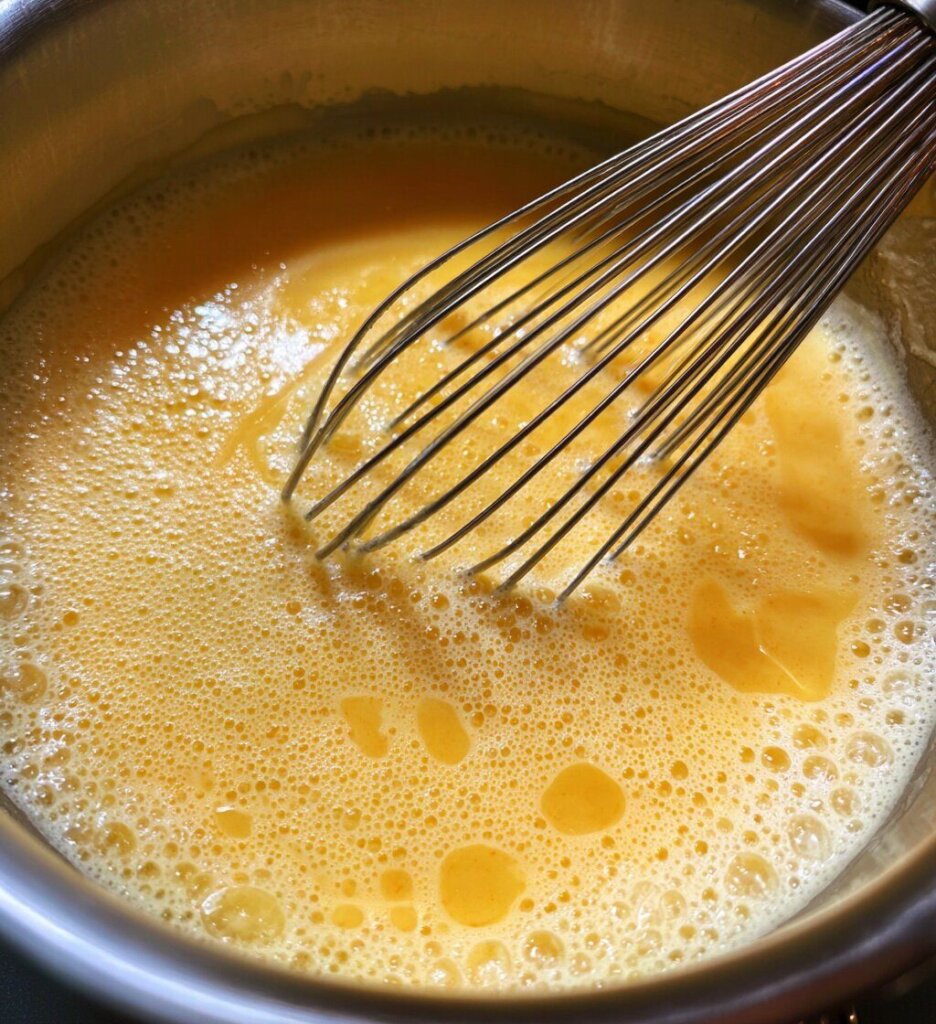
Wipe out your pot and return it to medium heat. Melt 3 tablespoons of butter. Sprinkle in 3 tablespoons of flour. Whisk constantly for 2 minutes to make a roux. Slowly pour in your Lobster Stock, whisking constantly to prevent lumps. Bring to a simmer. It will thicken slightly. Stir in the heavy cream. Let it simmer gently for 5 minutes.
Step 6: The Velvet Finish (Optional but Recommended)
For a restaurant-quality smooth texture, I like to transfer the soup to a blender (carefully!) and blend it on high for 30 seconds. This aerates the soup and makes it lighter. Return to the pot. Season with salt, white pepper, and a splash of vinegar (if using).
Step 7: Cook the Meat
In a separate small skillet, melt a tablespoon of butter. Add the reserved lobster meat chunks. Sauté gently for 2-3 minutes until just pink and firm. Do not boil the meat in the soup! It gets tough. Cook it separately and add it to the bowl at the end.
Step 8: Serve
Ladle the hot bisque into bowls. Pile the butter-poached lobster meat in the center. Garnish with fresh chives or tarragon and serve with crusty bread.
Chef Noah’s Tips for Success
1. Don’t be Afraid of the “Crush” When you are straining the stock in Step 4, really put your weight into it. The most flavorful juice is trapped inside the vegetable mush and the shells. That liquid is gold.
2. White Pepper vs. Black Pepper In a pristine, creamy soup like this, chefs often use White Pepper. It provides a different kind of earthy heat and doesn’t leave little black specks in your orange soup. If you only have black pepper, it tastes fine, but white pepper is the pro move.
3. The Salt Trap Lobster is naturally salty. Stock can be salty. Butter has salt. Do not salt your stock until the very end of the recipe (Step 6). If you salt it at the beginning and then reduce it down, the soup will be inedible.
4. The “Second Life” of Shells If you have a lobster dinner one night (steamed lobster), save the shells in a Ziploc bag in the freezer. When you have enough, you can make this soup without buying fresh lobster meat—just use the shell stock and garnish with cheaper shrimp!
Variations and Dietary Swaps
- Shrimp Bisque: This is the budget-friendly version. Buy 2 lbs of shell-on shrimp. Peel them, save the shells for the stock, and use the shrimp meat for garnish. The process is identical.
- Crab Bisque: Use roasted Blue Crab shells or Dungeness crab shells. It is sweeter and richer.
- Spicy Bisque: Add a pinch of Cayenne pepper or a dash of hot paprika to the roux for a kick that warms the throat.
- Dairy-Free: This is tough, as cream is central to bisque. However, you can use full-fat coconut milk or a high-quality oat cream. The coconut flavor will push it towards a Thai profile, which is actually delicious (add some lemongrass and ginger!).
What to Serve with Lobster Bisque
Bisque is rich. It is practically a meal in itself, but it needs texture to go with it.
- Oyster Crackers: The classic New England choice.
- Sourdough Bread: A big, toasted slice of sourdough rubbed with garlic is perfect for dipping.
- Grilled Cheese: Don’t laugh—a fancy grilled cheese with Gruyère or Brie dipped into lobster bisque is one of the greatest food combinations on earth.
- Green Salad: A sharp arugula salad with lemon vinaigrette helps cleanse the palate between rich spoonfuls.
Storage and Reheating
Bisque stores well, but you have to be gentle when reheating.
- Fridge: Store in an airtight container for up to 3 days.
- Freezing: You can freeze the soup before adding the cream for best results. If you freeze it with the cream, it may separate slightly when thawed (just whisk it vigorously while heating).
- Reheating: Reheat on the stove over Low heat. Do not boil it! Boiling can cause the cream to curdle and break. Just warm it until it steams.
Final Thoughts
Lobster Bisque is a project, yes. But it is a project that rewards you with every spoonful. It teaches you the value of using the “whole animal” and shows you how a few simple vegetables and shells can be transformed into something magnificent.
It is elegant, it is impressive, and best of all, it is absolutely delicious.
So, save those shells, grab your stock pot, and get ready to feel like a French chef in your own kitchen.
Happy Cooking! Chef Noah
Print
Lobster Bisque: How to Make Liquid Gold at Home
- Total Time: 80 minutes
- Yield: 4 Servings 1x
- Diet: Halal
Description
A luxurious, creamy Lobster Bisque made from homemade shell stock. Rich, velvety, and packed with lobster meat. Alcohol-free recipe included.
Ingredients
- 4 Lobster Tails (meat & shells)
- 1 cup Heavy Cream
- 2 tbsp Tomato Paste
- 1 Onion
- 1 Carrot
- 1 Celery Stalk
- 5 tbsp Butter
- 3 tbsp Flour
Instructions
- Remove meat from shells; chop shells.
- Sauté shells with veggies and tomato paste until red and fragrant.
- Simmer with water for 45 mins to make stock; strain well.
- Make a roux with butter and flour; whisk in stock and cream.
- Sauté lobster meat separately and add to soup before serving.
Notes
- Stock: The flavor comes from the shells. Do not skip the sauté step.
- Texture: For an ultra-smooth bisque, blend the soup before adding the meat.
- Alcohol-Free: Use sherry vinegar or apple cider vinegar instead of sherry wine.
- Prep Time: 20 minutes
- Cook Time: 60 minutes
- Category: Soup
- Method: Stovetop
- Cuisine: French
Nutrition
- Serving Size: 1 Bowl
- Calories: 450 kcal
- Sugar: 6g
- Sodium: 890mg
- Fat: 34g
- Saturated Fat: 20g
- Unsaturated Fat: 12g
- Trans Fat: 0g
- Carbohydrates: 18g
- Fiber: 2g
- Protein: 24g
- Cholesterol: 145mg
Keywords: Lobster Bisque Recipe, Homemade Seafood Bisque, Easy Lobster Soup, Shellfish Stock Recipe, Creamy Seafood Soup, French Bisque